
 Proudly BC Owned & Operated for over 40 years.
Perennials
Perennial Plants in South Coastal British Columbia
What Is a Perennial Plant?
A perennial is a plant that lives for more than two years, returning each growing season from the same root system. In South Coastal British Columbia, perennials form the foundation of many gardens, offering reliable structure, seasonal interest, and long-term value.
Here’s what defines them:
-
Long-lived: Perennials return year after year once established.
-
Seasonal growth cycles: Most die back or go dormant in winter, then regrow in spring. There are evergreen perennials as well.
-
Energy-efficient bloomers: Compared to annuals, perennials often focus more energy on roots and longevity than continuous flowering.
-
Climate-adaptable: Many perennials are well suited to the mild, maritime conditions of coastal BC.
Must Have Perennials (By Month)
Discover what’s currently available in our garden centres—explore our perennials by month here.
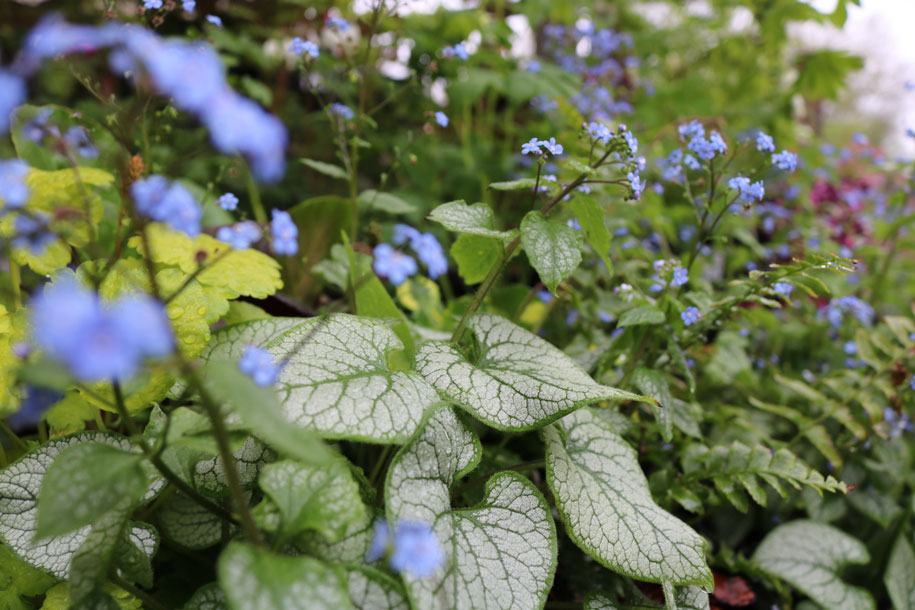
Annuals vs. Perennials
-
Annuals: Complete their life cycle in one season and are replanted each year.
-
Perennials: Return year after year from the same root system.
Many gardeners combine perennials with annuals—using perennials for structure and annuals for extended colour.
To learn more about annual plants, please click here.
When to Plant Perennials in South Coastal British Columbia
Perennials can be planted during much of the growing season, but the best results come from planting during these key windows:
-
Early spring (March–April): Ideal for root establishment before summer growth.
-
Mid to late spring (April–May): Prime planting time with warming soils and consistent moisture.
-
Early fall (September–October): Excellent for root development before winter dormancy.
In most South Coastal British Columbia communities, the average last frost falls between late March and mid-April, though microclimates vary.
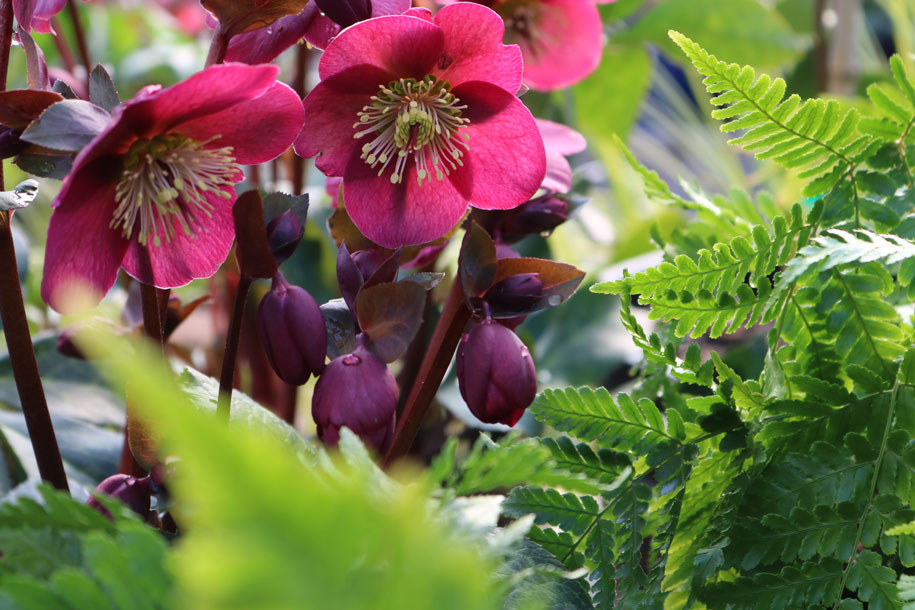
Care Tips for Coastal Gardens
-
Plant in well-drained soil enriched with compost
-
Water regularly during the first growing season to establish strong roots
-
Mulch to conserve moisture and protect roots during temperature swings
-
Cut back spent growth seasonally, depending on the plant type
Dividing Perennials
Some perennials benefit from being divided every few years to maintain health and vigour.
Why divide perennials?
-
To rejuvenate crowded or aging plants
-
To improve flowering and overall performance
-
To manage plant size and spread
-
To create new plants for other areas of the garden
When to divide:
-
Spring (March–April): Best for summer and fall-blooming perennials.
-
Fall (September–October): Best for spring-blooming perennials.
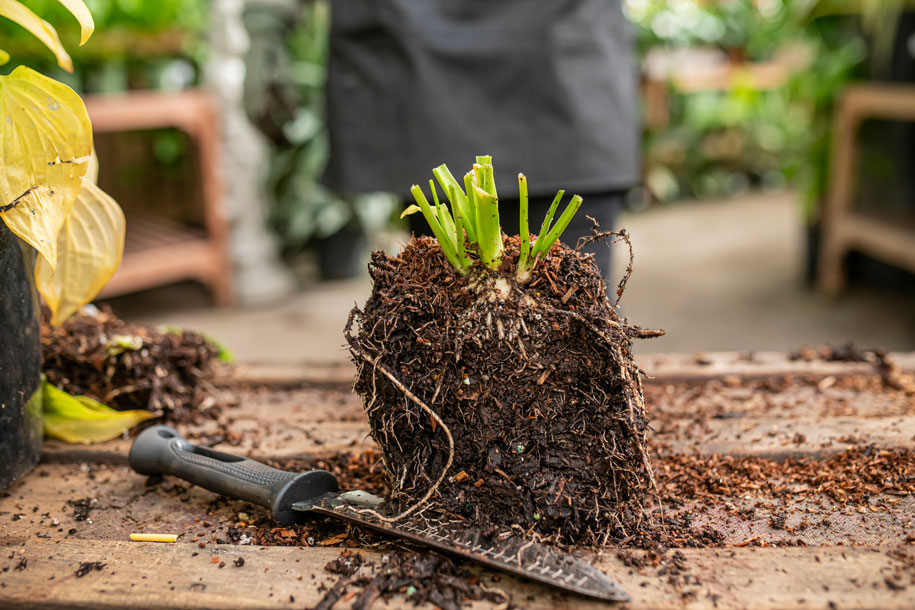
How to divide:
-
Water the plant thoroughly the day before dividing.
-
Lift the entire clump carefully, keeping roots intact.
-
Use a sharp spade or knife to separate into smaller sections, each with healthy roots and growth points.
-
Replant at the same depth and water well.
Common perennials that often benefit from dividing include:
-
Daylilies (Hemerocallis)
-
Hostas
-
Bearded and Siberian iris
-
Ornamental grasses
-
Shasta daisies
-
Sedum (upright varieties)
-
Bee balm (Monarda)
-
Yarrow (Achillea)
Explore Perennials at GARDENWORKS
Discover our full selection of perennials suited to South Coastal British Columbia, including sun-loving, shade-tolerant, and pollinator-friendly favourites.
Our South Coastal BC Store Locations
The planting guidance and timing on this page apply to our South Coastal British Columbia garden centres, serving the following communities:
-
Burnaby
-
Coquitlam
-
North Vancouver
-
Vancouver
-
Victoria
-
Courtenay
-
Nanaimo
-
Oak Bay
-
Colwood
Gardeners in these areas share a mild, maritime climate with relatively cool summers, moderate rainfall, and long growing seasons well suited to a wide range of perennial plants.
Penticton (Okanagan) Location
Our Penticton store serves the Okanagan region, where growing conditions differ significantly from the coast. The Okanagan typically experiences:
-
Colder spring nights and a later last frost
-
Hotter, drier summer conditions
-
Greater temperature extremes
As a result, planting times and suitable perennial selections may differ from the coast. Customers shopping in the Okanagan should always follow local in-store guidance and adjust planting schedules accordingly.