 Proudly BC Owned & Operated for over 40 years.
Blueberry Care Guide for BC
How to Plant, Grow & Harvest Blueberries
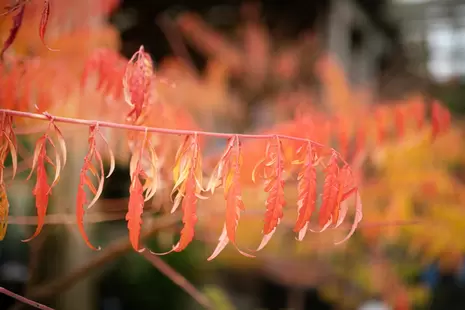
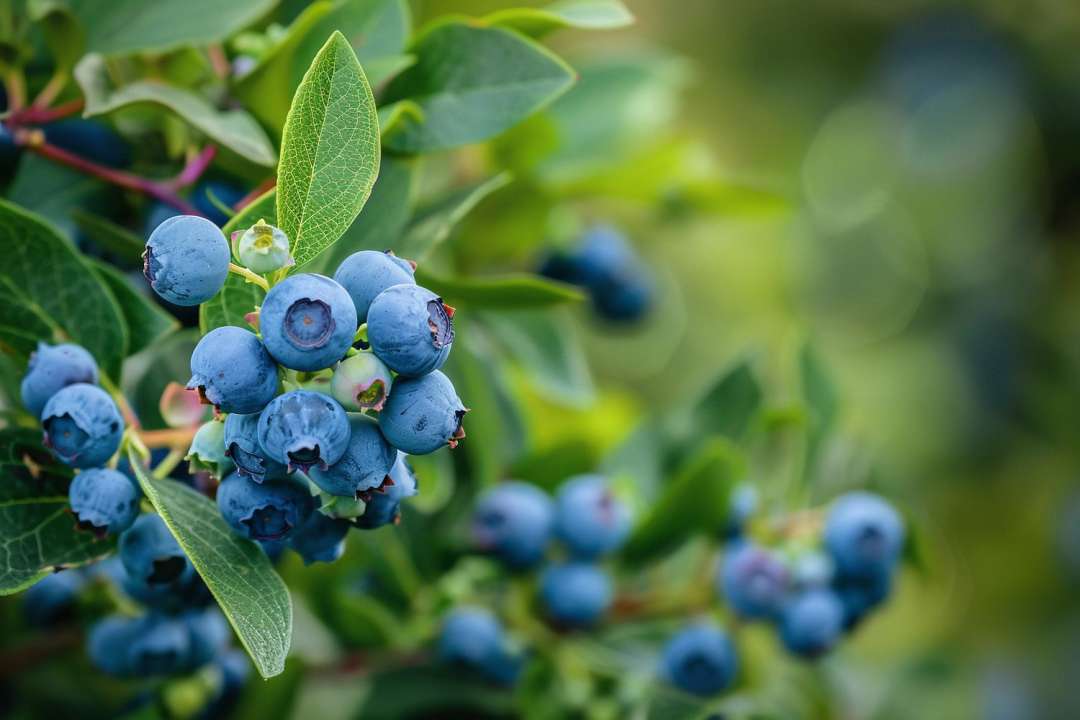
Blueberries (Vaccinium species) are one of the easiest and most rewarding edible shrubs for British Columbia gardens. These attractive plants produce delicious berries while also offering beautiful spring flowers and vibrant fall foliage.
Blueberries thrive in acidic soil with consistent moisture and perform exceptionally well in many parts of British Columbia.

Choosing the Right Blueberry Type
Blueberries are grouped by their harvest season and plant size.
Early Season Blueberries
-
Fruit ripens early in summer
-
Often the first berries ready to harvest
Examples include:
-
‘Duke’
-
‘Patriot’
Mid-Season Blueberries
-
Fruit ripens mid-summer
-
Reliable yields and excellent flavour
Examples include:
-
‘Bluecrop’
-
‘Toro’
Late Season Blueberries
-
Extend the harvest season into late summer
Examples include:
-
‘Elliott’
-
‘Aurora’
Planting a mix of early, mid, and late varieties helps ensure a continuous harvest throughout the summer.
Pollination & Fruit Production
Blueberries are self-fertile but produce larger crops and better fruit set when multiple varieties are planted nearby.
Benefits of planting more than one variety:
-
Improved pollination
-
Larger berry size
-
Higher yields
-
Extended harvest season
Bees are important pollinators for blueberries and help improve fruit production.
How to Plant Blueberries
Blueberries have very specific soil needs, and proper preparation is key to success.
Sun Requirements
-
Full sun is ideal
-
Minimum 6 hours of sunlight daily
-
Some afternoon shade may help protect plants in hotter inland gardens
Soil Requirements
Blueberries require strongly acidic soil.
Ideal conditions:
-
Soil pH between 4.5–5.5
-
Rich organic matter
-
Excellent drainage
Amend soil with:
-
Compost – we recommend Sea Soil, Gardenworks Composted Mushroom Manure or Gardenworks Composted Cattle Manure
-
Bark mulch
-
Acidic soil amendments such as soil acidifier if necessary
Planting Steps
-
Dig a hole twice as wide as the root ball.
-
Amend soil with compost and organic matter.
-
Plant at the same depth as the plant growing in its container.
-
Water thoroughly with Gardenworks Transplanting Fertilizer 5-15-5 to encourage root development.
-
Apply 2–3 inches (5-7cm) of mulch (bark mulch works well).
Mulch helps maintain soil acidity and retain soil moisture.
Watering Blueberries
Blueberries require consistent moisture.
-
Water regularly during the growing season
-
Avoid allowing soil to dry completely
-
Deep watering during hot, dry summer periods helps maintain fruit quality
Mulch helps reduce moisture loss and protects the plant’s shallow root system.
Fertilizing Blueberries
Blueberries are light feeders but benefit from proper nutrition.
-
Fertilize with Gardenworks Fruit Tree & Berry Food 4-20-20
-
Apply in early spring
-
Avoid heavy fertilization
Compost top-dressing in spring or fall also improves soil health.
Pruning Blueberries
Pruning helps maintain productivity and plant health.
-
Begin pruning after plants are 2–3 years old
-
Remove dead or weak branches
-
Thin older wood to encourage new growth
-
Maintain open structure for good sunlight penetration and airflow.
Prune during late winter while plants are dormant.
Growing Blueberries in South Coastal BC
Blueberries grow exceptionally well in coastal BC.
Climate Advantages
-
Mild winters
-
Moderate summer temperatures
-
Naturally acidic soils in most areas
These conditions closely match the plant’s natural growing environment.
Coastal Considerations
-
Improve drainage in heavy clay soils
-
Protect fruit from birds with netting
-
Maintain mulch to support soil acidity
Blueberries are widely grown both commercially and in home gardens throughout coastal BC.
Growing Blueberries in Penticton & the Okanagan
Blueberries can grow inland but require more soil preparation.
Climate Challenges
-
Hot, dry summers
-
Alkaline soils are common
-
Greater temperature swings
Inland Care Adjustments
-
Amend soil heavily to increase acidity with soil acidifier fertilizer
-
Use raised beds if soil pH is high
-
Provide consistent irrigation
-
Mulch heavily to protect the plant’s shallow roots
Careful soil preparation and ongoing soil management is the key to success inland.
Common Blueberry Problems & Solutions
Yellow Leaves
Possible causes:
-
Soil too alkaline
-
Poor drainage
-
Nutrient deficiency
Solutions:
-
Maintain acidic soil conditions
-
Apply fertilizer designed for acid-loving plants
-
Improve soil with organic matter
Small or Few Berries
Possible causes:
-
Lack of pollination
-
Insufficient sunlight
-
Poor pruning
Solutions:
-
Plant multiple varieties
-
Ensure full sun exposure
-
Prune regularly to encourage new fruiting wood
Birds Eating Fruit
Birds are one of the most common blueberry pests.
Solutions:
-
Use bird netting during fruit ripening
-
Harvest berries regularly as they ripen
Poor Plant Growth
Possible causes:
-
Incorrect soil pH
-
Compacted soil
-
Lack of organic matter
Solutions:
-
Test soil pH
-
Improve soil with compost and mulch to increase organic matter
Seasonal Blueberry Care Calendar
Early Spring
-
Apply fertilizer for acid-loving plants
-
Inspect for winter damage
Late Spring
-
Enjoy flowering
-
Ensure good pollination
Summer
-
Harvest berries
-
Water consistently
Fall
-
Enjoy fall foliage colour
-
Maintain mulch layer
Winter
-
Prune plants during dormancy
Blueberry FAQs
Do blueberries grow well in BC?
Yes. Coastal BC provides excellent conditions for blueberry production.
Can blueberries grow in Penticton?
Yes, but soil acidity must be carefully managed.
Do blueberries need acidic soil?
Yes. Blueberries require acidic soil to absorb nutrients properly and grow well
How long do blueberry plants live?
Well-maintained plants can produce fruit for 20–30 years or longer.