
 Proudly BC Owned & Operated for over 40 years.
Flowering Cherry Care Guide for BC
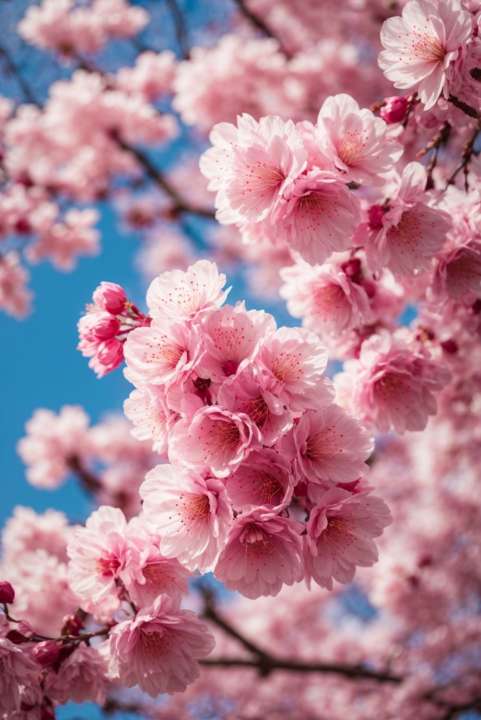
How to Plant, Grow & Care for Flowering Cherry Trees
Flowering cherry trees (Prunus species and cultivars) are beloved for their spectacular spring blossoms that create clouds of pink or white flowers. These ornamental trees are iconic in many British Columbia landscapes and signal the arrival of spring each year.
While flowering cherries are relatively easy to grow, proper placement, pruning, and soil care will help ensure long-term health and beautiful blooms.

Choosing the Right Flowering Cherry
Flowering cherry trees vary in size, shape, and bloom colour.
Upright Flowering Cherries
-
Classic vase-shaped trees
-
Excellent as feature or specimen trees in lawns or gardens
Examples include:
-
Yoshino Cherry (Prunus × yedoensis)
-
Akebono Cherry
Weeping Flowering Cherries
-
Graceful cascading branches
-
Beautiful focal points in garden beds or landscape plantings
Examples include:
-
Weeping Higan Cherry (Prunus subhirtella ‘Pendula’)
Double Flowered Cherries
-
Showy, multi-petalled blossoms
-
Often bloom slightly later in spring
Examples include:
-
Kwanzan Cherry (Prunus serrulata ‘Kwanzan’)
Visit your local GARDENWORKS Garden Centre for varieties suited to your landscape size and conditions.
How to Plant Flowering Cherries
Proper planting helps establish strong, healthy trees.
Sun Requirements
-
Full sun (minimum 6 hours daily)
-
Best flowering occurs in bright, open locations
Soil Requirements
Flowering cherries prefer:
-
Well-drained soil
-
Moderate fertility
-
Slightly acidic to neutral pH
Avoid poorly drained sites or areas where water may collect after rainfall.
Planting Steps
-
Dig a hole twice as wide as the root ball.
-
Loosen surrounding soil to encourage root growth.
-
Plant at the same depth as the tree was growing in its container.
-
Water thoroughly with GARDENWORKS Transplanting Fertilizer 5-15-5 after planting to encourage strong root development.
-
Apply a 2–3 inch (5-7cm) mulch layer around the root zone.
-
Keep mulch a few inches away from the trunk.
Watering Flowering Cherries
Young trees need regular watering to establish.
-
Water deeply during the first growing season
-
Maintain consistent moisture during dry periods
-
Established trees tolerate moderate drought but benefit from occasional deep watering during extended dry weather.
-
Mulching helps retain soil moisture and regulate soil temperature.
Fertilizing Flowering Cherries
Flowering cherries typically require minimal feeding.
-
Apply compost in early spring. We recommend Sea Soil, Gardenworks Composted Mushroom Manure, or Cattle Manure.
-
Use a balanced fertilizer if soil is poor. We recommend Gardenworks All Purpose Plant Food 6-8-6.
-
Avoid excessive fertilization, which encourages leafy growth rather than flowers
Pruning Flowering Cherries
Pruning helps maintain tree health and structure.
-
Prune in late summer after flowering has finished.
-
Remove dead, damaged, or crossing branches
-
Avoid heavy pruning during winter or early spring
Proper pruning improves airflow and can help reduce the risk of disease.
Growing Flowering Cherries in South Coastal BC
South Coastal BC provides ideal conditions for many flowering cherry varieties.
Climate Advantages
-
Mild winters
-
Moderate summer temperatures
-
Coastal humidity
These conditions support healthy growth and consistent spring flowering.
Coastal Considerations
-
Ensure good drainage in clay soils
-
Provide adequate spacing for airflow
-
Protect young trees from strong coastal winds
Many flowering cherries thrive in coastal British Columbia gardens and urban landscapes.
Growing Flowering Cherries in Penticton & the Okanagan
**Flowering cherries are not allowed to be grown in this region in order to protect BC's commercial cherry industry**
Common Flowering Cherry Problems & Solutions
While beautiful, flowering cherries can occasionally face health issues.
Brown or Dying Branches
Possible causes:
-
Fungal diseases
-
Branch canker
-
Winter damage
Solutions:
-
Prune out affected branches
-
Improve airflow through proper spacing
-
Sterilize pruning tools between cuts to prevent spreading disease.
Leaf Spot or Leaf Drop
Possible causes:
-
Fungal leaf diseases
-
Prolonged wet foliage
Solutions:
-
Avoid overhead watering
-
Remove fallen leaves in autumn
-
Maintain good air circulation around the tree canopy
Poor Flowering
Possible causes:
-
Insufficient sunlight
-
Excess fertilizer high in nitrogen (N)
-
Improper pruning
Solutions:
-
Ensure full sun exposure
-
Avoid heavy fertilizing
-
Prune only after flowering to avoid removing developing flower buds
Short Lifespan
Flowering cherries are naturally shorter-lived trees compared to many shade trees.
Tips for longevity:
-
Plant in well-drained soil
-
Avoid root disturbance
-
Prune only when necessary and maintain overall tree health through proper watering and soil care
Seasonal Flowering Cherry Care Calendar
Early Spring
-
Enjoy flowering
-
Inspect for winter damage
Late Spring
-
Apply compost
-
Monitor for pests or disease
Summer
-
Water deeply during dry periods
-
Light structural pruning if needed
Fall
-
Clean up fallen leaves
-
Maintain mulch layer
Winter
-
Protect young trees from wind exposure
Flowering Cherry FAQs
Do flowering cherries grow well in BC?
Yes. Many varieties thrive in South Coastal BC but are not allowed to be grown in the Okanagan region.
How long do flowering cherry trees live?
Many ornamental cherries live 20–40 year spans depending on growing conditions.
When should flowering cherries be pruned?
Light pruning should be done in late summer after flowering.
Do flowering cherry trees produce fruit?
Most ornamental varieties produce very small fruit that is typically not used for eating, but may be enjoyed by birds and wildlife
Click here to download a printable PDF.