
 Proudly BC Owned & Operated for over 40 years.
Rhododendron & Azalea Care Guide for BC
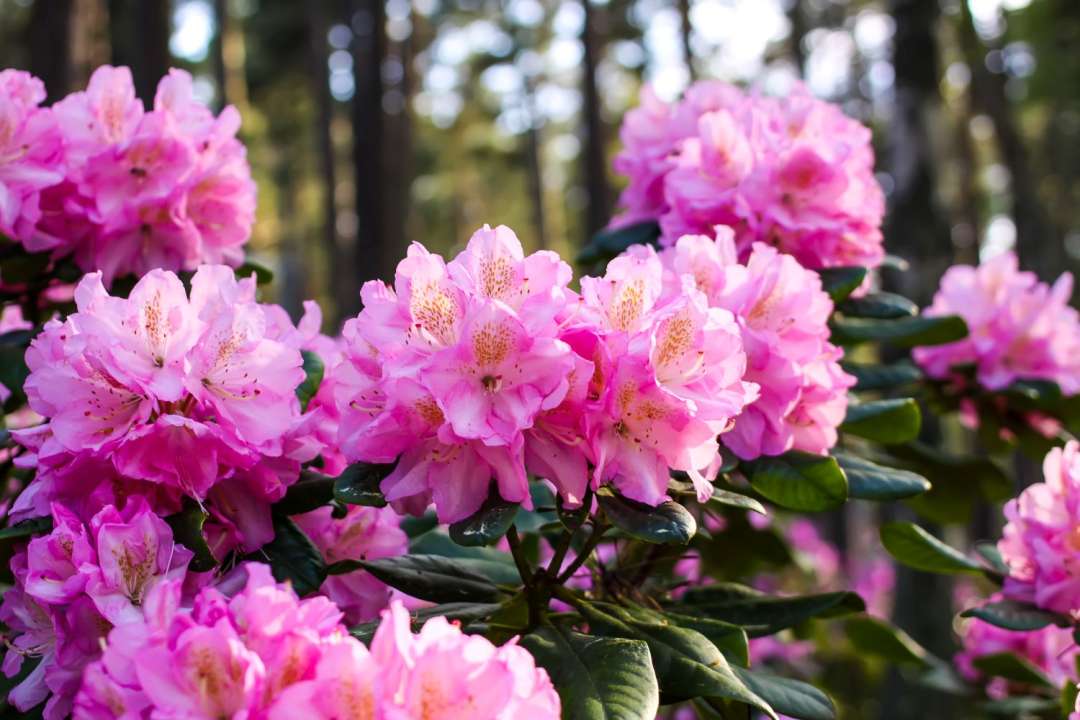
How to Plant, Grow & Care for Rhododendrons and Azaleas
Rhododendrons and azaleas are spectacular spring-flowering shrubs that thrive in the right conditions. Known for their bold blooms and evergreen structure (in many varieties), they bring colour and texture to woodland and shaded gardens.
With proper soil preparation and placement, they are long-lived and low-maintenance plants.

Understanding Rhododendrons vs. Azaleas
Both belong to the Rhododendron family, but there are a few differences:
Rhododendrons
-
Large evergreen leaves (most varieties)
-
Large flower clusters (trusses)
-
Excellent for shade structure
Azaleas
-
Smaller leaves
-
Some are deciduous
-
Finer texture and smaller flowers
-
Great for smaller garden spaces
-
Usually more sun tolerant
Ask your local GARDENWORKS team which varieties are best suited to your location.
How to Plant Rhododendrons & Azaleas
Proper soil and drainage are essential.
Light Requirements
-
Best in partial shade
-
Morning sun with afternoon protection is ideal
-
Avoid harsh afternoon sun, especially inland
Too much sun can scorch leaves; too much shade reduces blooms.
Soil Requirements (Most Important Factor)
Rhododendrons and azaleas require:
-
Acidic soil (pH 4.5–6.0)
-
Well-drained, loose soil
-
High organic matter content
Amend soil with:
-
Compost – we recommend Sea Soil or Gardenworks Composted Mushroom Manure
-
Acid-loving plant fertilizer – we reccomend Gardenworks Rhododendron & Azalea Food 10-8-6
-
Avoid heavy clay or poorly drained sites.
Add a thin layer of fir bark or mulch to the top of the soil.
Planting Steps
-
Dig a wide, shallow hole (root systems are shallow).
-
Amend soil with compost – we recommend Sea Soil or Gardenworks Composted Mushroom Manure
-
Plant slightly high — root ball should sit just above surrounding soil.
-
Water thoroughly with Gardenworks Transplanting Fertilizer 5-15-5 to encourage root development
-
Apply 2–3 inches of mulch (keep away from stem).
Never plant too deeply — this is a common cause of failure.
Watering Rhododendrons & Azaleas
-
Keep soil consistently moist but not soggy
-
Water deeply during summer dry periods
-
Mulch helps maintain even moisture
-
Avoid standing water
They are shallow-rooted and can dry out quickly in hot weather.
Fertilizing
-
Use fertilizer formulated for acid-loving plants – we reccomend Gardenworks Rhododendron & Azalea Food 10-8-6
-
Apply in early spring and after flowering
-
Avoid heavy feeding
-
A thin compost top-dressing improves soil naturally
Pruning
Minimal pruning is required.
-
Remove spent flowers after blooming
-
Lightly shape if needed
-
Remove dead or damaged branches anytime
Major pruning should be done immediately after flowering.
Growing Rhododendrons & Azaleas in South Coastal BC
Our coastal climate is ideal for rhododendrons and azaleas.
Why They Thrive Here
-
Mild winters
-
High rainfall
-
Naturally acidic soils (in many areas)
-
Moderate summer temperatures
These conditions closely match their native woodland habitat.
Coastal Considerations
-
Improve drainage in heavy clay soil
-
Protect from harsh winter winds
-
Monitor for root rot in wet sites
-
Thinly mulch annually to maintain soil acidity
Evergreen rhododendrons perform especially well in coastal gardens.
Growing Rhododendrons & Azaleas in Penticton & the Okanagan
Growing rhododendrons and azaleas in Penticton is more challenging but still possible with the right conditions.
Climate Differences
-
Hot, dry summers
-
Colder winter lows
-
Alkaline soils common
-
Intense afternoon sun
These plants naturally prefer cooler, acidic woodland environments.
Sun & Heat Protection
-
Plant in morning sun, afternoon shade
-
Avoid west-facing exposures
-
Protect from reflected heat (walls, pavement)
Heat stress is the biggest challenge in the Okanagan.
Soil Adjustment is Critical
Most Okanagan soils are alkaline, which is not ideal.
You must:
-
Amend heavily with acidic organic matter such as peat moss
-
Use rhododendron-specific soil blends
-
Apply acid-loving fertilizer
-
Mulch annually with bark mulch
In some cases, raised beds with imported soil may be best.
Watering in Penticton
-
Water deeply and consistently
-
Do not allow soil to dry out completely
-
Mulch heavily to conserve moisture
-
Monitor carefully during heat waves
Winter Considerations
-
Choose cold-hardy varieties
-
Protect from drying winter winds
-
Mulch root zones before winter
Deciduous azaleas often perform better inland than evergreen rhododendrons.
Common Problems
Yellow Leaves
Often caused by alkaline soil or poor drainage.
Root Rot
Caused by soggy soil — improve drainage.
Leaf Scorch
Sun or heat stress, especially inland.
Seasonal Care Calendar (BC)
Early Spring
-
Light feeding
-
Refresh mulch
After Bloom
-
Deadhead
-
Light pruning
Summer
-
Water during dry spells
-
Monitor for stress
Fall
-
Avoid fertilizing
-
Maintain mulch
Winter
-
Protect from wind exposure
Benefits of Rhododendrons & Azaleas
-
Spectacular spring colour
-
Evergreen structure (many varieties)
-
Shade-tolerant
-
Long-lived shrubs
-
Excellent woodland companions
Companion Plants for Rhododendrons & Azaleas
Rhododendrons and azaleas naturally grow in woodland environments. Pairing them with plants that enjoy similar light, soil, and moisture conditions creates a healthy, layered landscape that looks cohesive and thrives long-term.
Choose companions that prefer:
-
Partial shade
-
Acidic soil
-
Consistent moisture
-
Well-drained conditions
Best Shrub Companions
Camellias
-
Similar soil and light requirements
-
Extend the flowering season into late winter or early spring
Pieris (Lily of the Valley Shrub)
-
Evergreen structure
-
Early-season blooms
-
Excellent texture contrast
Hydrangeas (Mophead & Lacecap)
-
Thrive in similar soil conditions
-
Summer flowers follow rhododendron bloom
Leucothoe
-
Shade-loving evergreen
-
Excellent for underplanting
Perennial Companions
Hellebores
-
Late winter blooms
-
Thrive in partial shade
Hostas
-
Bold foliage contrast
-
Ideal for underplanting
Ferns (Native & Hardy Varieties)
-
Natural woodland appearance
-
Add soft texture
Heuchera (Coral Bells)
-
Colourful foliage
-
Tolerates partial shade
Bergenia
-
Evergreen foliage
-
Spring flowers
-
Excellent ground-layer structure
Safe Groundcovers (Non-Invasive Options)
Epimedium (Barrenwort)
-
Excellent woodland groundcover
-
Tolerates dry shade once established
Pachysandra (use clumping forms, not aggressive spreading types)
-
Evergreen
-
Good for shaded beds
Sweet Woodruff (in controlled garden settings)
-
Performs well in shade
-
Fragrant foliage
Native Woodland Plants
-
Foamflower (Tiarella)
-
Wild ginger (Asarum caudatum)
Native selections are especially beneficial for local ecosystems in South Coastal BC.
Companion Planting in Penticton & the Okanagan
In Penticton, plant selection must account for:
-
Hot, dry summers
-
Alkaline soil
-
Strong sun exposure
Better inland companion choices include:
-
Bergenia
-
Hellebores (in protected shade)
-
Heuchera
-
Hardy ferns in irrigated shade
-
Clumping ornamental grasses for contrast
Heavy mulching and soil amendment are especially important inland to protect shallow roots from heat stress.
Design Tip
For a natural woodland look:
-
Place taller rhododendrons toward the back
-
Use medium shrubs in the middle layer
-
Add perennials and groundcovers at the front
Layering protects soil moisture, reduces weeds, and creates visual depth.
Rhododendron & Azalea FAQs
Do rhododendrons grow well in BC?
Yes — especially in South Coastal BC where soil and climate conditions are ideal.
Can you grow rhododendrons in Penticton?
Yes, but success depends on soil amendment, shade protection, and consistent watering.
Do rhododendrons need acidic soil?
Yes. They require acidic soil to absorb nutrients properly.
When should I prune rhododendrons?
Prune immediately after flowering.