
 Proudly BC Owned & Operated for over 40 years.
Japanese Maple Care Guide for BC
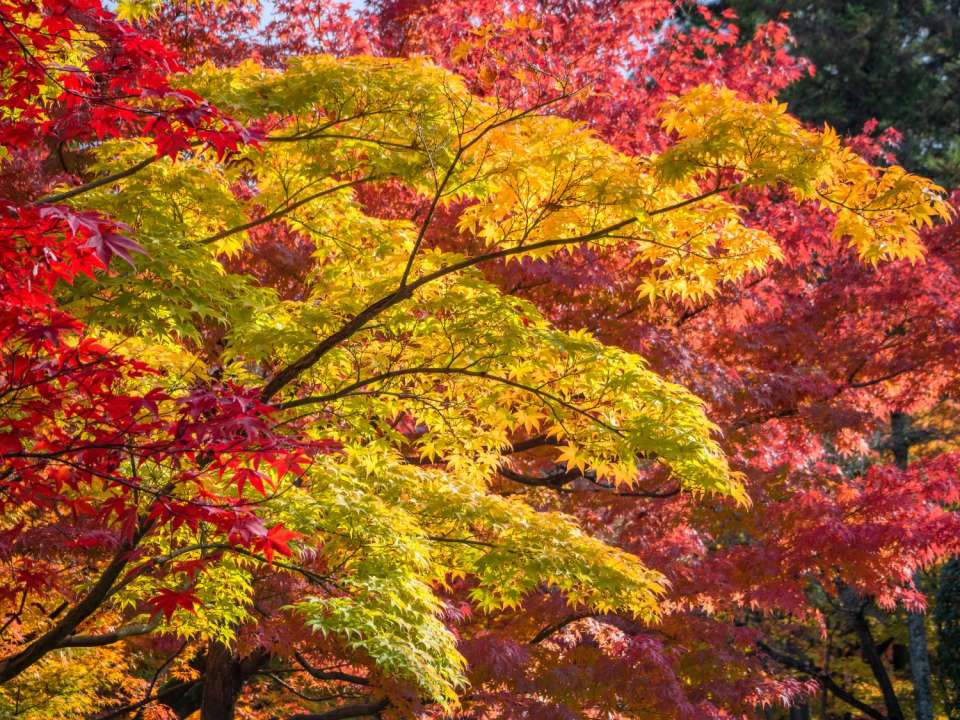
How to Plant, Grow & Care for Japanese Maples
Japanese maples (Acer palmatum) are prized for their graceful structure, delicate foliage, and stunning seasonal colour. With hundreds of varieties available, these ornamental trees add elegance and texture to gardens of all sizes.
Japanese maples can be grown as small trees, large shrubs, or focal container plants. With proper placement and protection from extreme conditions, they are long-lived and rewarding landscape features.

Choosing the Right Japanese Maple
Japanese maples come in many forms and leaf shapes.
Upright Japanese Maples
-
Tree-like structure
-
Excellent focal points
-
Grow 10–20 ft depending on variety
Examples include:
-
Coral Bark Maple (Acer palmatum ‘Sango Kaku’)
-
Bloodgood Maple
Laceleaf (Weeping) Japanese Maples
-
Finely dissected foliage
-
Cascading or mound-form habit
-
Ideal for feature planting or containers
How to Plant Japanese Maples
Choosing the right location is critical for long-term success.
Sun Requirements
-
Lace leaf and maples with green leaves prefer partial shade or filtered sun but are tolerant of full sun (although some leaf scorch may occur in hot summers)
-
Morning sun with afternoon shade is ideal
-
Red-leaved upright varieties tolerate more sun than green-leaved types
Too much hot afternoon sun may scorch delicate foliage.
Soil Requirements
Japanese maples prefer:
-
Rich, well-drained soil
-
Slightly acidic to neutral soil
-
High organic matter
Avoid compacted or waterlogged soil.
-
Amend planting areas with compost before planting. We recommend Sea Soil, Gardenworks Composted Mushroom Manure or Gardenworks Composted Cattle Manure
Planting Steps
-
Dig a hole twice as wide as the root ball.
-
Mix compost into the removed soil.
-
Plant at the same depth as the container.
-
Water thoroughly with Gardenworks Transplanting Fertilizer 5-15-5 to encourage root development
-
Apply 2–3 inches of mulch around the root zone.
Keep mulch a few inches away from the trunk.
Watering Japanese Maples
Japanese maples prefer consistent moisture but dislike soggy soil.
-
Water regularly during the first growing season
-
Provide deep watering during dry summer periods
-
Mulch annually to conserve soil moisture
Container-grown plants require more frequent watering.
Fertilizing Japanese Maples
Japanese maples require minimal feeding.
-
Apply compost in early spring
-
Use slow-release fertilizer only if growth is weak such as Gardenworks All Purpose Plant Food 6-8-6
-
Avoid high-nitrogen fertilizers
Healthy soil typically provides sufficient nutrients.
Pruning Japanese Maples
Japanese maples require very little pruning.
-
Remove dead, damaged, or crossing branches
-
Light shaping can be done in late winter or midsummer
-
Avoid heavy pruning
Their natural structure is part of their beauty and should be preserved.
Growing Japanese Maples in South Coastal BC
South Coastal BC offers excellent growing conditions for Japanese maples.
Climate Advantages
-
Mild winters
-
Moderate summer temperatures
-
Higher humidity
These conditions closely resemble the tree’s native environment.
Coastal Considerations
-
Improve drainage in clay soils
-
Protect from strong coastal winds
-
Provide afternoon shade for delicate varieties
Many varieties grow exceptionally well in coastal BC gardens.
Growing Japanese Maples in Penticton & the Okanagan
Japanese maples can grow inland but require careful placement.
Climate Challenges
-
Hot, dry summers
-
Intense sun exposure
-
Colder winter temperatures
Inland Care Adjustments
-
Provide morning sun and afternoon shade
-
Avoid west-facing exposures
-
Water deeply and consistently
-
Mulch heavily to protect shallow roots
Green-leaved varieties often tolerate inland heat better than some red varieties.
Winter Considerations
-
Protect young trees from cold winter winds
-
Mulch root zones before winter
-
Avoid late-season fertilizing
Planting in sheltered locations greatly improves success inland.
Companion Plants for Japanese Maples
(BC-Appropriate & Non-Invasive)
Japanese maples pair beautifully with woodland-style plantings.
Shrub Companions
-
Rhododendrons
-
Azaleas
-
Hydrangeas
-
Pieris
Perennial Companions
-
Hostas
-
Heuchera
-
Hellebores
-
Ferns
Ground Layer
-
Epimedium
-
Foamflower (Tiarella)
-
Wild ginger (Asarum caudatum)
Plant selections avoid species listed as invasive in BC, in accordance with guidance from the Invasive Species Council of BC (bcinvasives.ca).
Seasonal Japanese Maple Care Calendar
Early Spring
-
Apply compost
-
Inspect for winter damage
Late Spring
-
Monitor for pests
-
Maintain mulch
Summer
-
Water deeply during dry periods
-
Protect from extreme heat inland
Fall
-
Enjoy fall colour
-
Maintain mulch layer
Winter
-
Protect young trees from harsh wind exposure
Japanese Maple FAQs
Do Japanese maples grow well in BC?
Yes. South Coastal BC offers ideal conditions, while inland areas require more shade and consistent watering.
Can Japanese maples grow in Penticton?
Yes, but they need afternoon shade and protection from extreme heat.
Do Japanese maples need pruning?
Very little pruning is required. Remove only dead or crossing branches.
Can Japanese maples grow in containers?
Yes. Many dwarf varieties perform very well in containers with regular watering.