
 Proudly BC Owned & Operated for over 40 years.
Lilacs
Lilac Care Guide for South Coastal BC and Okanagan
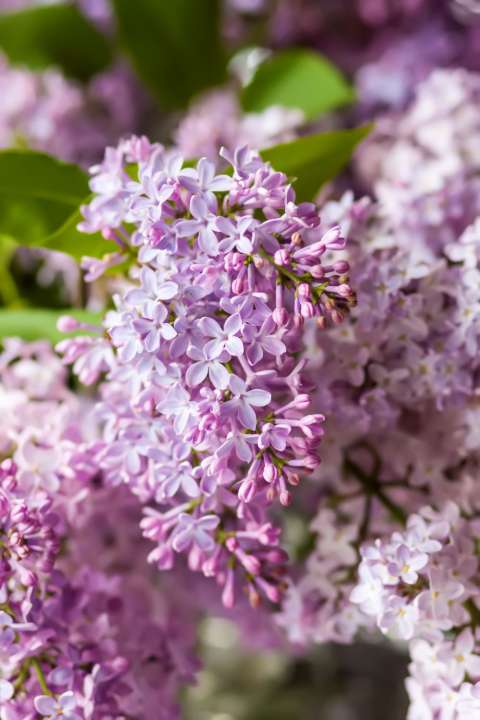
How to Plant, Prune & Grow Beautiful, Fragrant Lilacs
Lilacs are a spring garden favourite, known for their unforgettable fragrance and showy flower clusters. With full sun, well-drained soil, and proper pruning, lilacs are long-lived, low-maintenance shrubs that thrive in South Coastal BC’s temperate climate.
Choosing the Right Lilac Variety
There’s a lilac for every garden size and design:
Common Lilac (Syringa vulgaris)
-
Classic, highly fragrant spring blooms
-
Large shrub, ideal for hedges or focal planting
Dwarf Lilacs
-
Compact size for smaller gardens and patios
-
Excellent for foundation planting
Examples are Dwarf Korean Lilac (Syringa meyeri 'Palibin')
Japanese Tree Lilac (Syringa reticulata)
-
Upright form
-
Fragrant creamy white flowers
-
Grows as a small ornamental tree
Visit your local GARDENWORKS to find varieties suited to your space and garden conditions.

How to Plant Lilacs
Proper planting ensures years of healthy growth and reliable blooms.
Sunlight Requirements
-
Plant in full sun (minimum 6 hours daily)
-
More sun = more flowers
-
Avoid heavily shaded locations
Soil Requirements
-
Well-drained soil is essential
-
Improve clay or compacted soil with compost
-
Lilacs prefer neutral to slightly alkaline soil by adding dolomite lime to the soil several times a year.
Planting Steps
-
Dig a hole twice as wide as the root ball.
-
Mix compost into the removed soil.
-
Plant at the same depth as it was in the nursery pot.
-
Water thoroughly with Gardenworks Transplanting Fertilizer 5-15-5 to encourage root development
-
Apply 2–3 inches of mulch (keep mulch away from stems).
Watering Lilacs
Newly Planted Lilacs
-
Water deeply 1–2 times per week during dry weather
-
Keep soil evenly moist during establishment
Established Lilacs
-
Moderately drought tolerant
-
Water during extended summer dry periods
-
Deep watering is better than frequent light watering
Fertilizing & Soil Care
Lilacs are not heavy feeders.
-
Apply compost in early spring
-
Avoid high-nitrogen fertilizers (they encourage leafy growth instead of blooms)
-
Use a balanced, slow-release fertilizer such as Gardenworks All Purpose Plant Food 6-8-6 only if growth appears weak
When and How to Prune Lilacs
Pruning at the correct time is the most important factor for good flowering.
When to Prune Lilacs in BC
-
Immediately after flowering (late spring/early summer)
Lilacs form next year’s flower buds shortly after blooming. Pruning later in the season removes those buds.
How to Prune
-
Remove spent flower clusters
-
Thin older, thick stems at ground level
-
Maintain an open shape for airflow and sunlight
Avoid heavy fall or winter pruning.
Common Lilac Problems
Why Isn’t My Lilac Blooming?
-
Not enough sun
-
Pruned at the wrong time
-
Too much nitrogen fertilizer
-
Plant is too young
Powdery Mildew
-
Common in late summer
-
Improve air circulation
-
Ensure full sun exposure
-
Usually cosmetic and not harmful
Seasonal Lilac Care Calendar (South Coastal BC)
Early Spring
-
Top-dress with compost
-
Light shaping if needed
After Bloom (Late Spring)
-
Deadhead flowers
-
Structural pruning
Summer
-
Water during drought
-
Monitor for mildew
Fall
-
Avoid pruning
-
Optional compost top-dress
Winter
-
Minimal care required
Benefits of Growing Lilacs
-
Exceptional fragrance
-
Beautiful spring colour
-
Attract pollinators
-
Long-lived and hardy
-
Excellent cut flowers
Lilacs are one of the most rewarding flowering shrubs for Coastal BC gardens.
Growing Lilacs in Penticton & the Okanagan
Lilacs perform very well in the Okanagan’s hot, dry summers and colder winters — often even better than in coastal humidity. However, growing conditions differ from South Coastal BC and require a few adjustments.
Climate Considerations
-
Hot, dry summers
-
Lower humidity
-
Colder winter temperatures
-
Faster-draining soils
Sun & Heat
Lilacs thrive in full sun and tolerate Okanagan heat well.
-
Plant in full sun (6+ hours daily)
-
Afternoon sun is not usually a problem
-
Good airflow helps maintain plant health
Unlike coastal gardens, powdery mildew is less common in Penticton due to lower humidity.
Watering in Penticton
Although lilacs are drought tolerant once established, young plants need consistent moisture.
-
Water deeply during the first growing season
-
During extended heat waves, monitor soil moisture
-
Apply 2–3 inches of mulch to conserve moisture
Avoid overwatering — lilacs dislike soggy roots.
Soil in the Okanagan
Many Penticton soils are sandy, rocky, or fast-draining.
-
Amend generously with compost at planting
-
Organic matter improves both moisture retention and nutrient availability
-
Lilacs prefer neutral to slightly alkaline soil — common in the Okanagan
Winter Considerations
Colder winter lows can affect young plants.
-
Avoid fall pruning
-
Add mulch around the root zone before winter
-
Established lilacs are very hardy and typically need little protection
Best Lilac Types for Penticton
-
Common Lilacs (Syringa vulgaris)
-
Korean Lilacs
-
Japanese Tree Lilacs
Visit GARDENWORKS Penticton for regionally selected varieties.
Lilac Care FAQs
When should I prune lilacs in British Columbia?
Prune immediately after flowering in late spring. Pruning later removes next year’s flower buds.
How much sun do lilacs need?
Lilacs need at least 6 hours of full sun daily to bloom well.
Do lilacs grow well in Coastal BC?
Yes. With good drainage and full sun, lilacs perform very well in our temperate climate.
How often should I water lilacs?
Water deeply during the first year. Established plants only need watering during prolonged dry periods.