 Proudly BC Owned & Operated for over 40 years.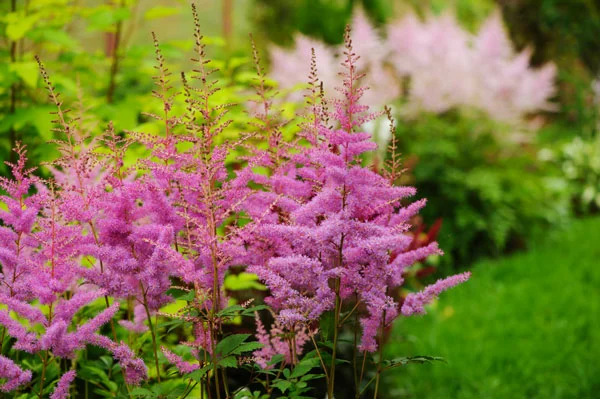
Dividing Perennials This Spring: What to Divide (and How to Do It)
Spring in coastal BC is one of the best times to divide many garden perennials. The soil is moist, temperatures are mild, and plants are just starting to wake up. Dividing helps rejuvenate crowded plants, keeps them healthy, and gives you the opportunity to plant them in other suitable areas of your garden.
Here’s a simple guide to what to divide this spring — and how to do it.
Why Divide Perennials?
Over time, many perennials form dense clumps. When that happens, you may notice:
- Smaller flowers
- Fewer blooms
- Dead or woody centres
- Plants flopping or outgrowing their space
Dividing every 3–5 years (sometimes sooner) keeps plants vigorous and blooming beautifully.
When to Divide in Coastal BC
In our mild coastal climate, the ideal window is: Late February through April
(Once new growth is just starting but before the plant is in full leaf.)
Because our springs are cool and damp, divisions establish quickly with minimal stress.
Best Perennials to Divide in Spring
These plants respond especially well to spring division in coastal BC:
Hostas
Divide before leaves fully unfurl. Simply slice through the clump, ensuring each division has roots and a few “eyes” (growth points).
Daylilies (Hemerocallis)
Easy and forgiving. Lift and pull apart or cut into sections with healthy roots.
Shasta Daisies
Often develop woody centres. Remove the old middle and replant the vigorous outer pieces.
Sedum (Autumn Joy types)
Divide when new shoots are just a few inches tall.
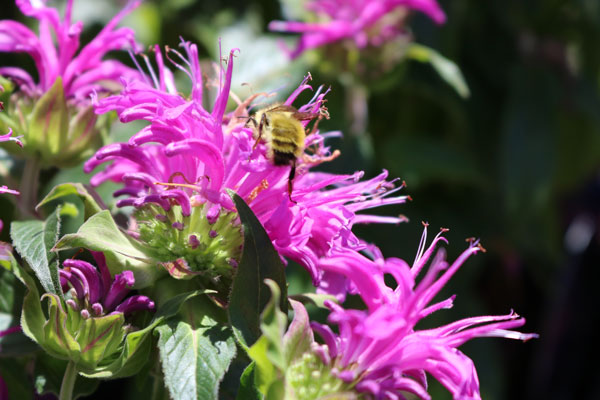
Bee Balm (Monarda)
Spreads quickly and benefits from regular division to prevent mildew issues.
Siberian Iris
Divide every few years to keep flowering strong.
Astilbe
Perfect for shady coastal gardens. Divide before foliage fills out.
Ornamental Grasses (cool-season types like Japanese Forest Grass, Blue Oat Grass or Feather Reed Grass to name a few)
Divide early before active growth takes off.
Plants to Leave for Fall
Some perennials prefer fall division instead, including:
- Peonies
- Bearded Iris
- Oriental Poppies
If in doubt, a good rule is:
Spring bloomers are usually divided in fall. Summer/fall bloomers are divided in spring.
How to Divide Perennials (Step-by-Step)
1. Water the Day Before
Moist soil makes lifting easier and reduces stress.
2. Lift the Whole Clump
Use a sharp spade or garden fork and dig wide around the plant to protect roots.
3. Split the Clump
Depending on the plant:
- Pull apart by hand (daylilies, hostas)
- Use two forks back-to-back to pry apart
- Cut with a clean, sharp spade or knife
Each division should have:
- Healthy roots
- Several growth shoots
4. Trim and Tidy
Remove dead centres and damaged roots.
5. Replant Immediately
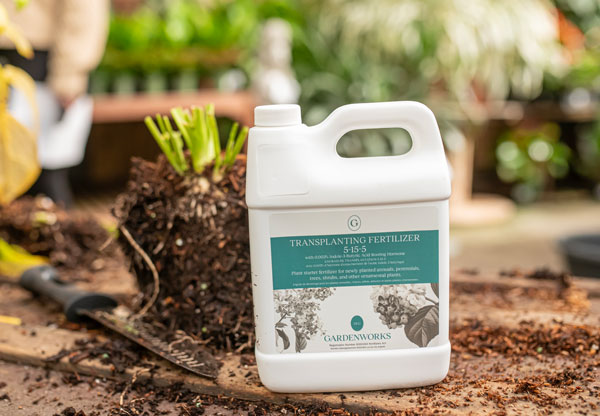
Plant at the same depth as before. Water thoroughly and apply GARDENWORKS Transplanting Fertilizer 5-15-5.
6. Mulch Lightly
Helps retain moisture and suppress weeds.
Coastal BC Tips
- Our heavy winter soils can stay wet — make sure drainage is good before replanting.
- Add compost while dividing to boost soil structure.
- Watch for slugs on fresh new growth.
- On the coast, divisions often establish quickly thanks to mild temperatures — but keep them watered if we get an early dry spell.
Bonus: Free Plants!
Dividing perennials is one of the easiest and most cost-effective ways to fill your garden. It’s also a great way to swap plants with neighbours and build a diverse, resilient landscape suited to coastal BC conditions.
Spring division is simple, satisfying, and sets your garden up for a strong growing season ahead.